
What Happens When You Stop Settling for Mediocrity
Mediocrity is not always obvious. Sometimes it looks like comfort. Routine. Staying with what is familiar because it feels safer than asking yourself whether you actually want something more.
For a long time, I thought mediocrity meant a lack of ambition. I pictured someone who simply did not care enough to try harder or dream bigger. But I have started to see it differently.
Mediocrity can quietly appear when we stop questioning the routines we have built around ourselves. It can happen when we become so busy meeting responsibilities, keeping everything moving, and taking care of everyone around us that we forget to ask whether the life we are living still fits the person we are becoming.
That realization came to me in a place I did not expect: sitting on the water.
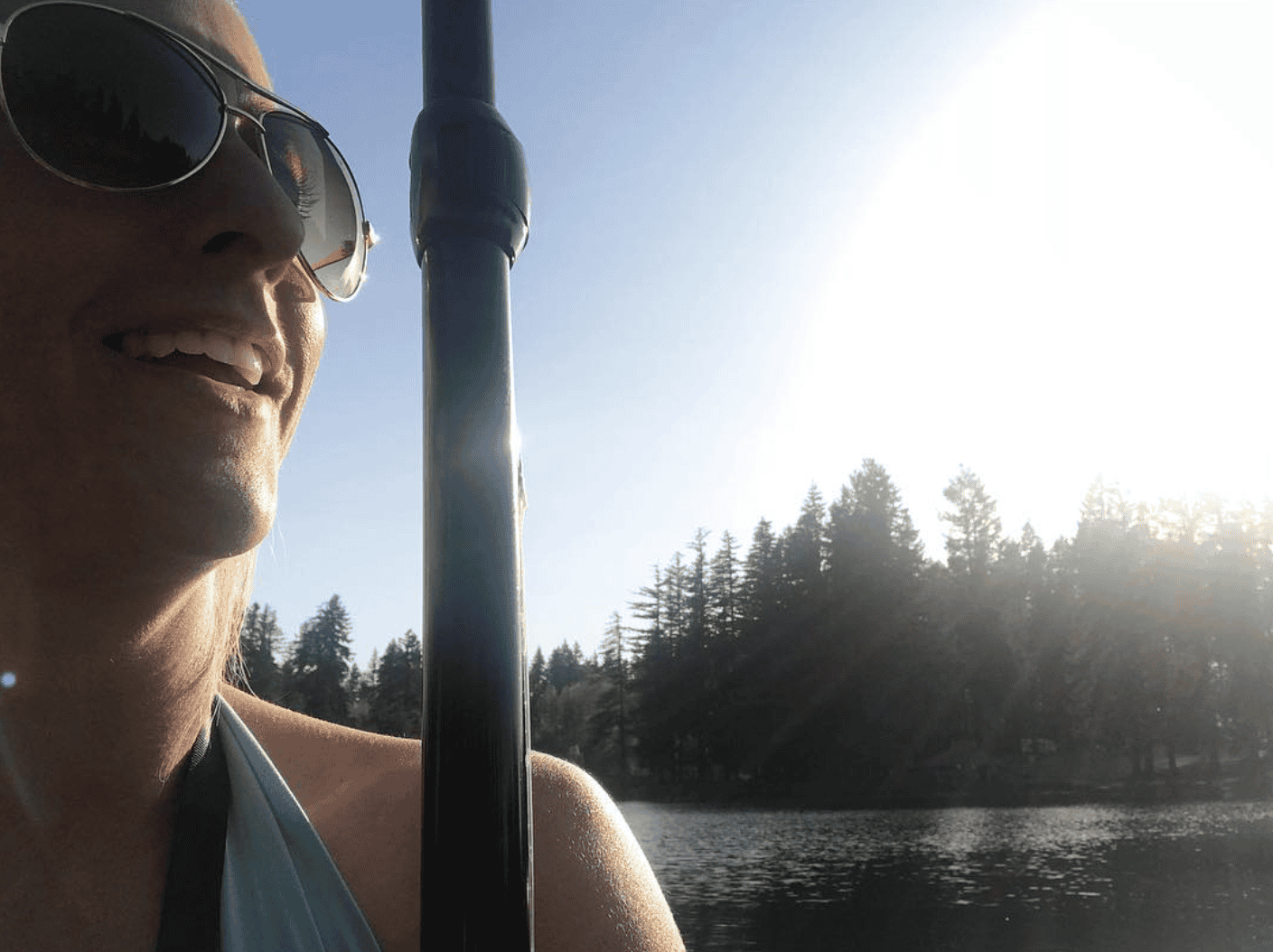
A quiet morning on the water in Washington.
The Day I Did Something I Hadn't Planned
The photo above was taken almost completely on a whim. I had been balancing a lot, holding my phone in one hand and waiting for the mountain to come into view while I moved across the water.
It was not perfectly framed. It was not a carefully planned adventure. I was simply outside, doing something that felt a little different from the rhythm of everyday life.
And that may be exactly why I remember it.
After a trail run one morning, I found myself doing something impulsive. I went to the lake on my way home. I could easily have told myself I should keep moving through my list instead. I probably had errands waiting. There was always something that could be cleaned, answered, organized, finished, or prepared.
Instead, I stopped.
I rented a kayak.
I put my phone away for part of the time. I paddled. I looked around. I let myself be somewhere without needing the moment to accomplish anything.
Comfort Is Not the Same as Contentment
There is nothing wrong with comfort. In fact, after spending years building a career, raising children, keeping a household running, or simply making it through difficult seasons, comfort can feel well earned.
The problem comes when comfort turns into autopilot.
Familiar routines can keep us from noticing how much we have changed. What worked at thirty may not fit at fifty. What made sense when the kids were little may not make sense when the house begins to get quieter. The goals that once motivated us may no longer be the goals we want to carry into the next decade.
That does not mean we need to burn everything down and start over.
Sometimes the change is much smaller.
We take the class. We start walking again. We finally list the clothes sitting in the closet. We make the dinner reservation. We learn something new. We create the website. We say yes to an invitation. We say no to something that has drained us for years.
We stop assuming that the next season of life is supposed to be smaller simply because the previous season is ending.
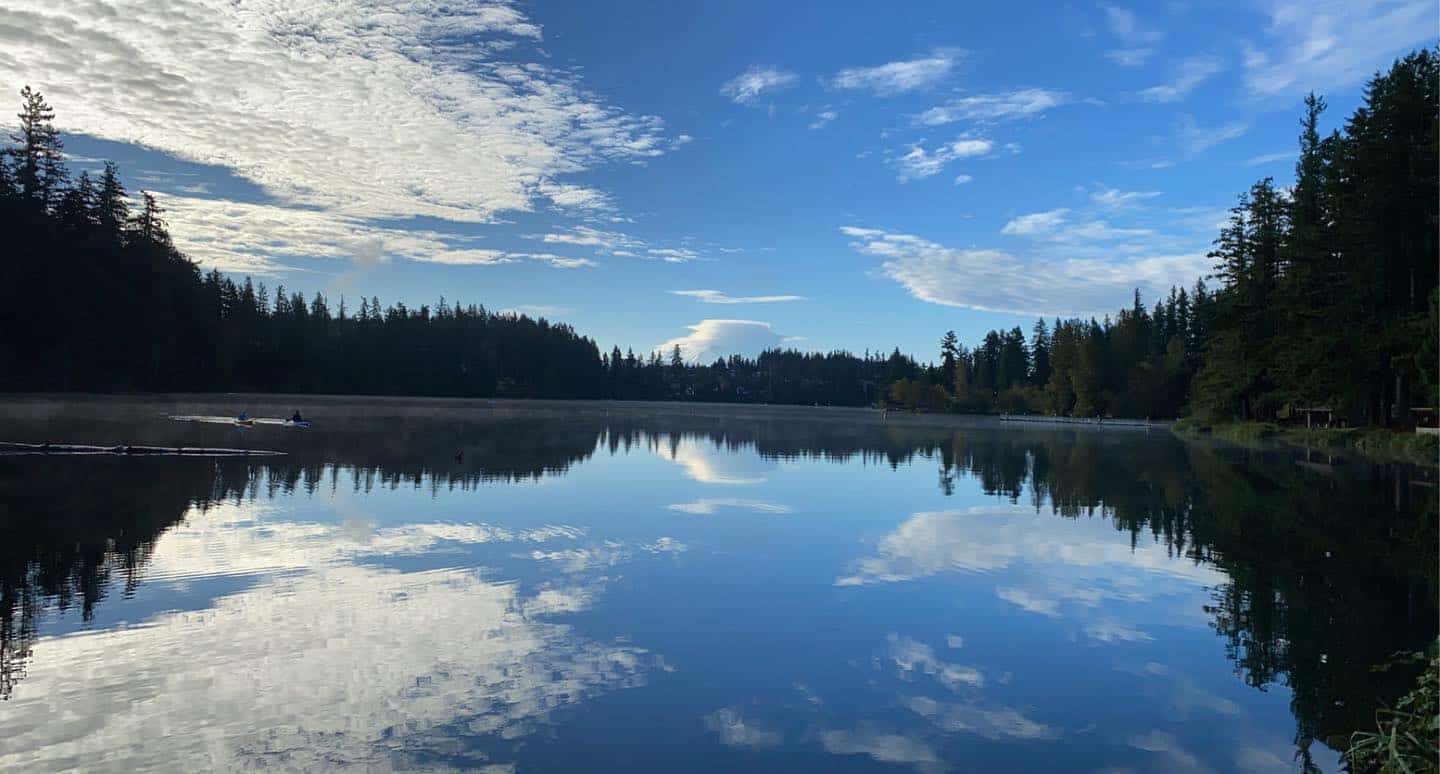
Lake Wilderness at sunrise in Maple Valley, Washington.
Greatness Does Not Have to Look Impressive
I think this is where the word greatness sometimes gets us into trouble.
We hear greatness and imagine enormous achievement. We imagine promotions, awards, businesses, perfect homes, big transformations, and people who seem to have figured everything out.
But greatness can be far quieter than that.
It can look like becoming healthier because you want to feel strong enough to enjoy the years ahead. It can look like creating financial breathing room. It can look like reconnecting with your spouse, building friendships, finding meaningful work, volunteering, traveling, creating something, or finally making room for the interests you postponed while everyone else needed you.
Greatness is not necessarily about being exceptional in the eyes of other people.
It may simply mean refusing to sleepwalk through a life that still contains possibilities.
The Risk of Always Choosing What Is Familiar
Most of us do not consciously choose mediocrity. We choose efficiency. We choose predictability. We choose what we already know how to do.
Those choices make sense. Life requires routine.
But over time, there is a subtle difference between a routine that supports your life and a routine that keeps you from experiencing it.
I have learned that I am capable of taking risks. Sometimes quietly. Sometimes visibly. Sometimes successfully. And sometimes with a story that makes me laugh later.
One of those reminders happened on the Wenatchee River somewhere between Plain and Leavenworth, Washington. It was one of those moments that did not go exactly according to plan.

Not every adventure goes according to plan. Sometimes those become the stories we remember most.
And maybe that is part of living outside of mediocrity too.
You try things without knowing exactly how they will turn out.
You become willing to be inexperienced again.
You accept that not every decision has to be perfectly optimized before you begin.
There is something freeing about realizing you do not have to know exactly where every new direction will lead.
Ask Yourself What You Have Been Postponing
Midlife has a way of making time feel more visible.
When we are younger, it is easy to think we will eventually get around to the things we want to do. Eventually we will travel. Eventually we will take better care of ourselves. Eventually we will start the project. Eventually we will change careers. Eventually we will spend more time outside. Eventually we will make that dream a priority.
But eventually is not a date on the calendar.
At some point, we have to decide whether the things we keep saying matter actually deserve space in our lives.
A few questions worth sitting with
- Where in my life have I become too comfortable simply because something is familiar?
- What have I been saying I will do "someday"?
- What would make this season of life feel more meaningful?
- Where do I want more adventure, connection, purpose, or creativity?
- What is one small decision I could make this month that would move me toward that life?
You Do Not Need a Complete Reinvention
One of the things I am learning is that building a meaningful next chapter does not require becoming a completely different person.
You do not need to abandon everything you have built.
You can simply begin paying more attention.
Pay attention to what energizes you. Notice what you keep talking about. Notice the ideas that return even after you dismiss them. Notice where you feel curious. Notice what you envy in other people's lives, because sometimes envy is simply information about something you want more of in your own.
Then experiment.
Take the paddleboard out. Start the small business. Plant the garden. Try the workout. Join the group. Create the dinner club. Sell something you no longer need. Start writing. Take the weekend trip.
Give yourself permission to find out what happens next.
The opposite of mediocrity is not perfection. It is participation.
It is choosing to participate fully in your own life instead of waiting for some future version of yourself to finally begin living it.
I still like comfort. I still like routine. I still have responsibilities and lists and plenty of ordinary days.
But I also want to keep making room for the lake mornings, the unexpected adventures, the ideas that scare me a little, and the choices that remind me there is still so much life ahead.
Maybe that is what this season is really about.
Not becoming someone entirely new, but becoming a little more willing to listen when something inside you says, there could be more than this.