Midlife · Second Act · Intentional Living
Designing a Life That Fits Now
You do not have to keep building your life around a version of you that no longer exists.
Sometimes nothing is dramatically wrong, yet something still feels off.
Your life may look perfectly reasonable from the outside. You have responsibilities, routines, people you love and a schedule that mostly works. But underneath all of that, there can be a quiet feeling that the way you are living no longer fits quite as well as it used to.
That feeling does not always mean you need to blow up your life and start over. Often, it means you have changed and your life has not fully caught up yet.
What fit ten years ago may feel heavy now. The pace you once handled easily may feel exhausting. Goals that once motivated you may no longer matter as much. Roles that used to define you may be changing.
This is one of the strange gifts of midlife. You begin to notice the difference between the life you built because it was expected, necessary or practical and the life that actually feels like yours.
Designing a life that fits now is not about chasing constant happiness. It is about paying attention. What gives you energy? What drains it? What deserves more room? What are you ready to stop carrying?
You are allowed to build your next season around who you are now, not who you needed to be before.
Notice What No Longer Fits
Before deciding what you want next, it helps to notice what feels too tight, too noisy or simply outdated.
Maybe your calendar is full of things you automatically said yes to years ago. Maybe you are still maintaining friendships, routines or commitments mostly because they have always been there. Maybe your home is arranged around a stage of family life that has changed. Maybe your work takes up far more emotional space than you want it to.
Not everything that no longer fits is bad. Some things were exactly right for an earlier season.
Something can have been good for you and still be finished.
That distinction matters because it lets you move forward without turning the past into a mistake. You do not have to criticize an old version of your life in order to choose differently now.
Start by paying attention to the places where you repeatedly think, “I do not want to keep doing this like this.” Those moments are information.
Separate Who You Are From the Roles You Carry
For much of adult life, our identities can become wrapped around roles.
Parent. Employee. Caregiver. Partner. Volunteer. Problem solver. The dependable one. The person everyone calls when something needs to get done.
Those roles matter, but they are not the whole story.
When a role changes, there can be an uncomfortable amount of empty space left behind. Children need you differently. Work may feel less central than it once did. A responsibility you carried for years may end. Suddenly you are faced with a question that sounds simple but can feel surprisingly difficult.
Who am I when I am not only responding to what everyone else needs?
You do not have to have an immediate answer. Curiosity is enough. Pay attention to what interests you, what you keep returning to and what makes time move differently when you are doing it.

Create White Space
A life that fits usually has some room left in it.
We are often tempted to fill every opening with another goal, project or obligation. But space has value too.
A quiet morning, an unscheduled afternoon, a chair where you actually sit and read, or a few hours to work on something that interests you can become part of the architecture of a life that feels more like your own.
Design Around Your Actual Energy
There is a big difference between building a life around what you technically can do and building one around what you can sustainably carry.
You may be capable of working all day, handling errands afterward, keeping up with the house, answering everyone, volunteering, exercising and squeezing personal projects into whatever is left.
But being capable of something does not automatically make it a good design.
Pay attention to your energy patterns. When do you think clearly? When do you feel depleted? What kinds of tasks leave you satisfied, and which ones leave you irritated long after they are finished?
Start placing important things where your energy naturally supports them. Protect your best hours when you can. Reduce unnecessary switching between tasks. Build recovery into busy weeks instead of treating rest as something you earn after exhaustion.
The goal is not to optimize every minute. It is to stop designing your days as though you have unlimited energy.
Make Room for What Matters Now
It is easy to talk about priorities in the abstract. It is much harder to give them actual space.
If health matters, where does movement live in your week? If relationships matter, where is the unhurried time for them? If creativity matters, where is the place to make something? If financial freedom matters, where is the time to build, learn or create additional income?
The things that matter need more than good intentions. They need somewhere to live.
Your calendar, your home and your attention should give your priorities a physical address.
You do not need huge amounts of time. A small protected block repeated consistently can change the direction of a year.
Let Your Definition of Enough Change
One of the hardest things to reconsider is the definition of a successful life that you have been carrying for years.
More responsibility. More achievement. More money. A bigger house. A fuller calendar. Being the person who can handle everything.
Those goals may still matter to you. Or maybe success looks different now.
Maybe enough means having financial breathing room rather than constantly upgrading. Maybe it means work that stays in its proper place instead of following you mentally into every evening. Maybe it means a home that is easier to care for. Maybe it means fewer commitments and deeper relationships.
There is freedom in deciding that your life does not need to look impressive in order to feel meaningful.
A Simple Life-Fit Check
What needs more room, and what needs less?
Use these questions as a quick reset when life starts feeling crowded, automatic or out of alignment.
Look for repeated friction, resentment, exhaustion or obligations you constantly recover from.
The idea you repeatedly return to may deserve more room than you are currently giving it.
If something matters, give it a real place in the week instead of waiting for leftover time.
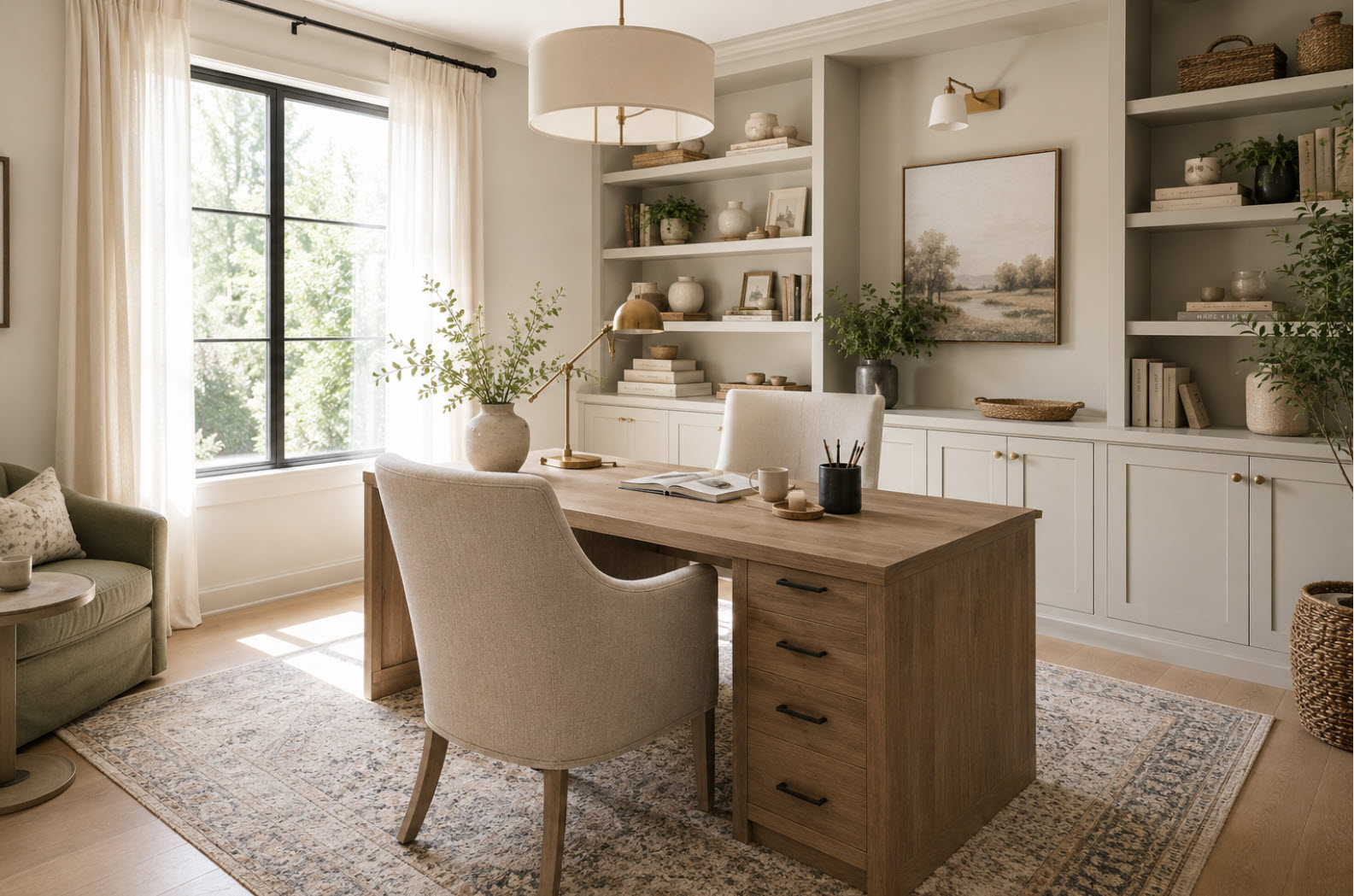
Notice whether your rooms make current habits easier or keep serving an earlier season.
Some pressure disappears when you stop measuring your life by standards you no longer believe in.
Test a change before turning it into a major decision. Information is easier to trust than imagination.
Experiment Before You Overhaul
When life feels wrong, it is tempting to imagine that a dramatic change will fix everything.
Quit the job. Move. Start a business. Travel. Sell everything. Completely reinvent yourself.
Sometimes a big change is exactly what is needed. But you do not have to make every decision at full volume.
Try smaller experiments first.
Take one day off differently. Protect one evening each week. Try a class. Volunteer somewhere new. Spend a month building the side project. Change the room. Adjust the schedule. Test what happens when you say no to one recurring commitment.
Experiments give you real information. They help you learn what sounds good in theory and what actually feels good in practice.
You are allowed to test a different life before you commit to it.
Build Small Anchors for the Life You Want
A life that fits is usually not created through one huge decision. It is built through small things that become dependable.
A morning that belongs partly to you. A weekly walk. A dinner with people you love. A savings transfer. A creative block on Saturday. A room that feels peaceful. A boundary around work. A hobby that has no need to become productive.
These small anchors give shape to the life you are trying to create.
They also remind you that change is already happening, even when the bigger picture still feels unfinished.
Let Life Feel Lighter
You do not need to fill every part of your next chapter immediately.
Some seasons are for building. Some are for resting. Some are for noticing who you have become before deciding what comes next.
Leaving a little room does not mean you are behind. It means there is space for something new to become visible.
More Ahead Living
Build From Here
You do not need to become a completely different person to create a life that fits better. You may simply need to stop automatically carrying everything forward.
Keep what still feels true. Release what has become too heavy. Protect what matters. Try small changes. Pay attention to what gives you a sense of energy, meaning and ease.
Your next season does not need to resemble the last one in order to be good.
You are not starting over. You are designing from experience.