It Reduces the Mental Load
One of the most tiring parts of feeding ourselves is not always the cooking. It is repeatedly asking, “What am I going to eat?” Meal prep answers that question before the busiest part of the week begins.

Simple Wellness for Midlife
Meal prep does not have to mean eating the same bland food all week. With a flexible formula, a few nourishing ingredients, and one intentional prep session, you can make balanced meals that support your energy, hormones, and busy life.
See the Meal Prep Formula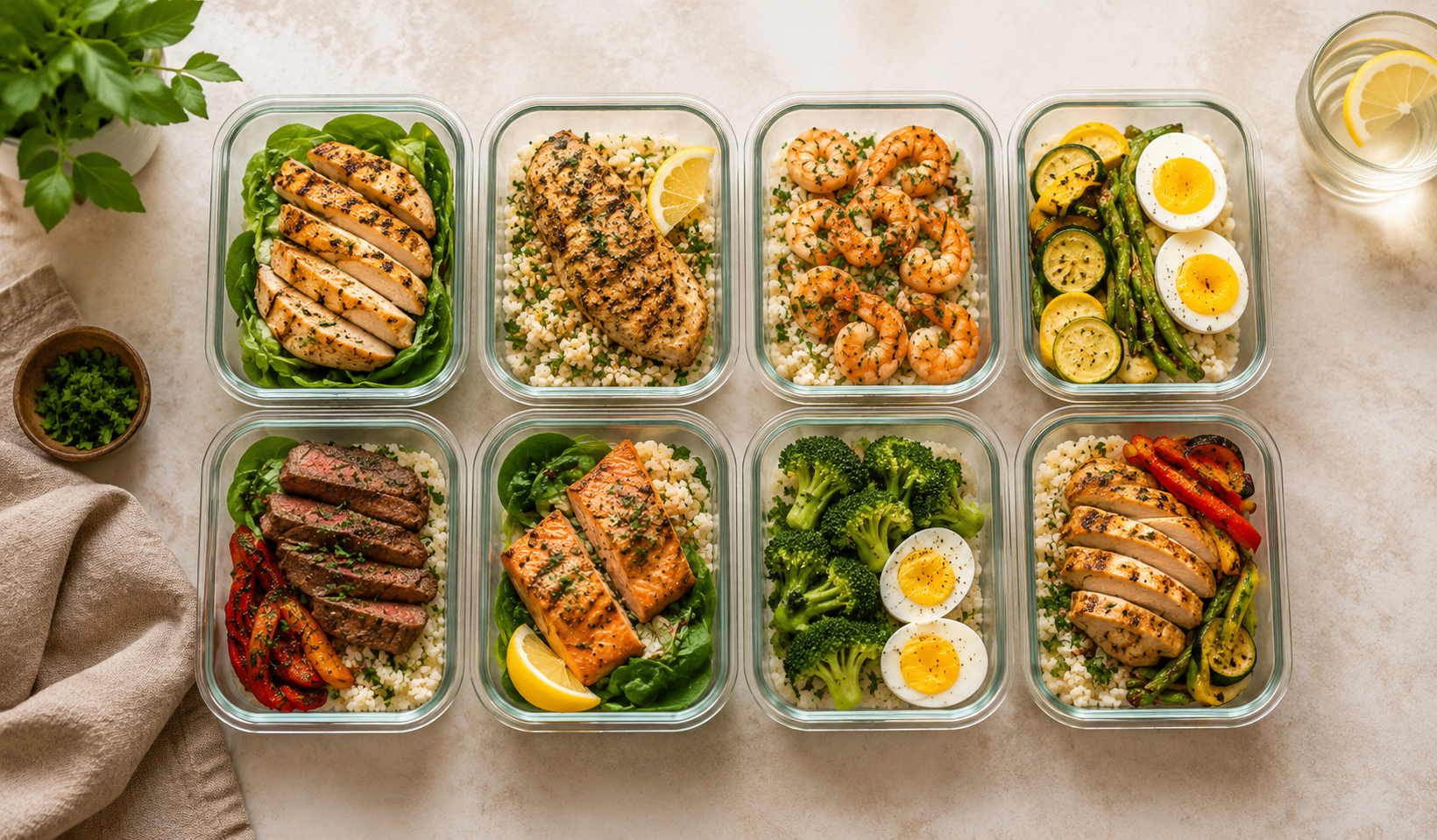
If your weeks tend to run you instead of the other way around, you are not alone. Between work, family responsibilities, appointments, errands, and the mental load of remembering everything, food decisions are often the first thing to become overwhelming.
By the end of a long day, deciding what to cook can feel like one more problem to solve. That is when takeout becomes tempting, snacks become dinner, or we stand in front of the refrigerator hoping a complete meal will somehow appear.
Meal prepping creates another option. It is not about spending an entire Sunday cooking complicated recipes or filling the refrigerator with identical containers. It is about preparing enough of the basics that nourishing yourself becomes easier during the week.
For women over 40, that support can be especially valuable. Protein, fiber, healthy fats, and colorful vegetables can help meals feel more satisfying while supporting strength, energy, and steadier hunger. Instead of relying on willpower when you are tired, you create a system that helps you follow through on the choices you already wanted to make.
Less Stress, More Support
A little preparation can reduce daily decision-making while giving you more control over the ingredients, portions, and balance of your meals.
One of the most tiring parts of feeding ourselves is not always the cooking. It is repeatedly asking, “What am I going to eat?” Meal prep answers that question before the busiest part of the week begins.
Healthy choices are much easier when ingredients are already washed, cooked, and portioned. You do not need to depend on motivation after a long day because the foundation of the meal is already waiting.
Preparing protein in advance makes it easier to include a satisfying amount at lunch and dinner. This can help support muscle maintenance, recovery, fullness, and overall strength as we get older.
When a complete meal is ready in the refrigerator, it becomes easier to pause before ordering takeout or piecing together random snacks that may not leave you feeling satisfied.
Using the same ingredients in several ways reduces waste and makes grocery shopping more intentional. A tray of roasted vegetables can become part of lunches, dinners, bowls, or quick breakfasts.
Meal prep does not have to be boring. Changing the seasonings, sauces, vegetables, and cooking methods can make the same basic ingredients feel completely different from one meal to the next.
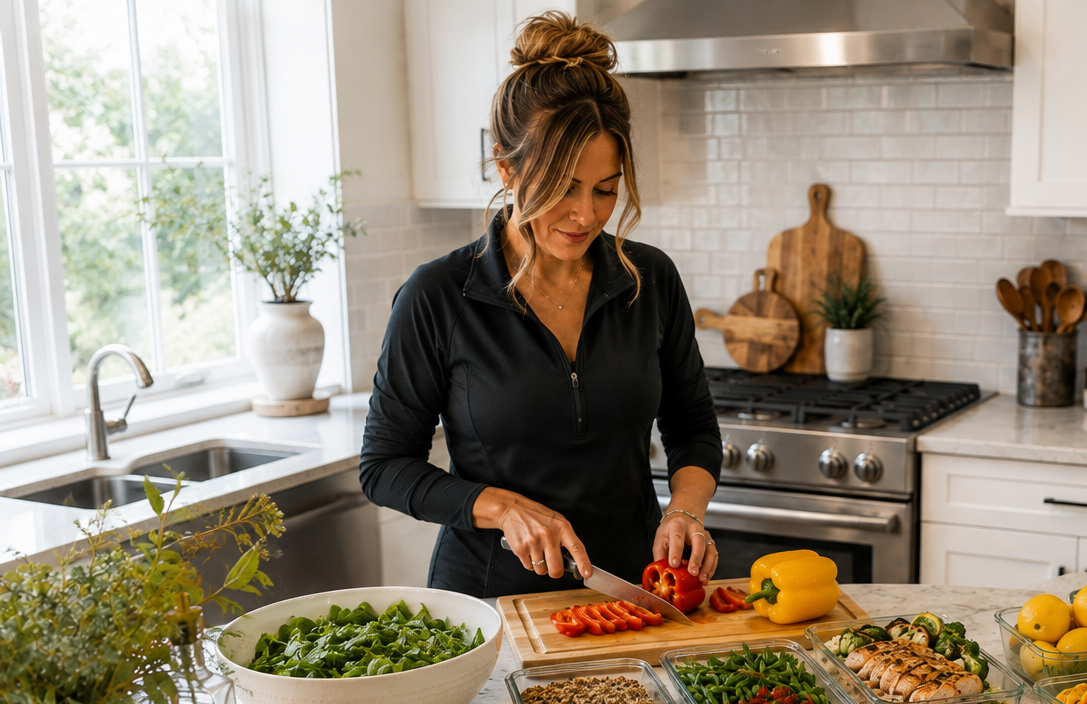
Prepare flexible ingredients rather than seven identical meals so you can mix, match, and change flavors throughout the week.
The Simple Formula
You do not need a stack of complicated recipes. Choose one or two foods from each category, prepare them simply, and combine them in different ways throughout the week.
Protein gives the meal structure and helps it feel satisfying. Choose one or two options to prepare in advance.
Aim for roughly 4 to 6 ounces of cooked protein in a main meal, adjusting for your personal needs and guidance from your healthcare provider.
Vegetables add fiber, color, volume, and variety. Roast a large tray or prepare a mixture of raw and cooked options.
Roasting vegetables with olive oil, salt, and pepper creates a versatile base that works with nearly any seasoning or sauce.
Healthy fats add flavor and help meals feel complete. A small serving is often enough to make a simple bowl more satisfying.
Store dressings and crunchy toppings separately and add them just before eating.
Sauces and seasonings keep meal prep from tasting repetitive. One protein can become several different meals with a few small changes.
Keep two sauces available each week. That small step can make the same chicken and vegetables feel entirely different.
Mix and Match
Use the same core ingredients in several ways so meal prep stays simple without becoming repetitive.
Chicken, cucumber, tomatoes, greens, feta, olives, and tzatziki.
Taco-seasoned chicken, lettuce, peppers, avocado, salsa, and pumpkin seeds.
Roasted chicken, broccoli, zucchini, cauliflower, pesto, and a sprinkle of Parmesan.
Hard-boiled eggs, turkey, cucumbers, cheese, olives, and a small handful of almonds.
Keep It Manageable
A helpful meal prep session does not need to consume your entire day. Set aside about 60 to 90 minutes and focus on the ingredients that will make the biggest difference during the week.
Review your schedule, choose your proteins, look at what is already in the refrigerator, and make a short grocery list. Think about the meals you are most likely to need rather than trying to prepare every possible meal.
Preheat the oven, start boiling eggs if you are using them, wash the produce, and season the proteins. Line your pans before you begin to make cleanup easier.
Roast the vegetables, cook the protein, chop raw vegetables, and prepare one or two sauces. Several parts of the meal can cook at the same time.
Allow cooked foods to cool slightly, portion them into containers, and label anything that may be forgotten. Keep sauces, avocado, and crunchy toppings separate until serving.
Start Small
The fastest way to abandon meal prep is to make the first session too ambitious. You do not need to prepare breakfast, lunch, dinner, snacks, and desserts for seven days.
Start with the meal that causes the most stress. For many people, that is lunch during a busy workday or dinner after commuting home. Prepare enough protein and vegetables for three or four meals, then leave room for leftovers, social plans, and days when you want something different.
Prepare one protein, two vegetables, one sauce, and four grab-and-go portions. Repeat the process for two weeks before adding anything more.
The goal is not to create a perfect refrigerator. The goal is to create a little breathing room. Even having washed vegetables, cooked chicken, and hard-boiled eggs available can make the week feel easier.
A More Intentional Week
Meal prepping is not about controlling every bite or following a rigid food plan. It is a practical way to care for your future self.
The version of you who comes home tired on Wednesday evening deserves to open the refrigerator and find something nourishing. The version of you rushing between meetings deserves a lunch that provides more than a temporary burst of energy. And the version of you working toward better health deserves a system that feels supportive rather than punishing.
Begin with one meal, one protein, and a few vegetables. Notice what you enjoy eating and what actually works with your schedule. Adjust as you go. Over time, meal prep becomes less of a project and more of a quiet weekly rhythm.
You do not need more pressure. You need fewer last-minute decisions and a plan that makes taking care of yourself a little easier.
Save This for Later
Use this simple protein, vegetable, healthy-fat, and flavor formula the next time you need a realistic meal prep plan.
Return to the Formula