
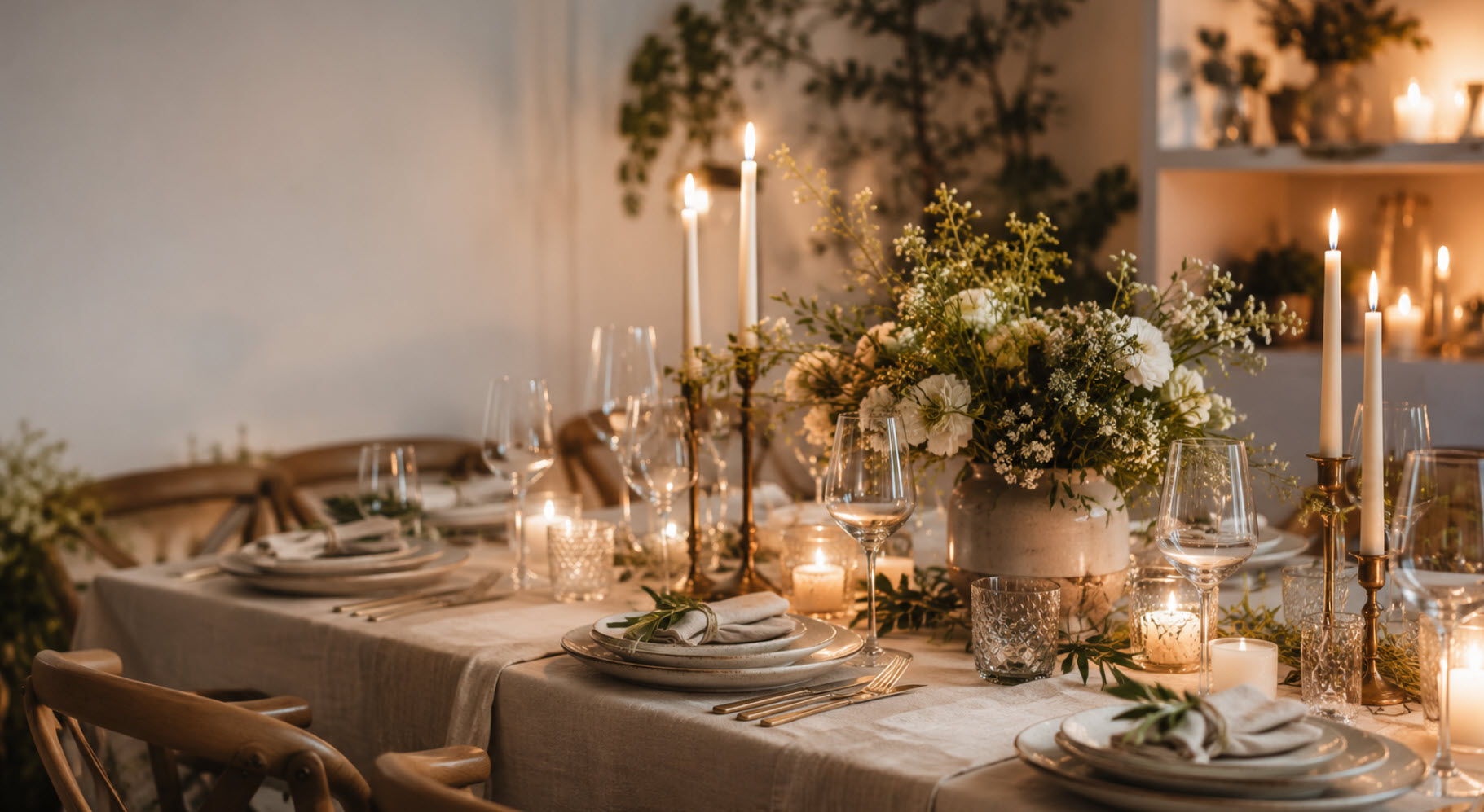
Life has a way of filling every open space.
Work deadlines creep into evenings. Errands stack up. Calendars fill faster than we expect. Somewhere in the middle of all of it, the things that truly nourish us— friendship, laughter, and long conversations around a table—can quietly slip to the side.
That’s part of the reason our dinner club began.
What started as a simple idea—gathering friends once a month for a shared meal—has slowly become something we all look forward to. Each gathering has its own theme, menu, and personality. Some nights are cozy and simple. Others are playful and creative. But every one of them centers around the same thing: making space for connection.
This post is the beginning of a new series where I’ll document our dinner club gatherings, each theme, the menu we planned, how we divided the dishes, and the little moments that made the evening memorable.
My hope is that these posts not only capture the rhythm of our dinners together, but also inspire you to create something similar in your own life.
Why Dinner Clubs Matter
At their heart, dinner clubs are about connection.
They give friendships a rhythm—something more dependable than “we should get together sometime.” Sharing meals builds memories, strengthens bonds, and creates a sense of community that’s hard to replicate anywhere else.
Conversations flow differently when everyone is seated, fed, and present. Stories linger. Laughter stretches. Time softens.
Dinner clubs offer something rare: consistency without pressure. They don’t demand weekly commitment or perfect attendance. Instead, they give friendships a place to land.

Start With the Right Group
The foundation of a great dinner club is the people around the table. Aim for friends who enjoy good food, meaningful conversation, and showing up for one another. Some may love experimenting in the kitchen; others may shine as storytellers, playlist curators, or enthusiastic taste-testers.
Keep the group manageable—six to ten people is ideal. This keeps conversations intimate and ensures everyone feels included. Most importantly, choose friends who are reliable and genuinely excited to commit. A dinner club thrives on shared energy, not obligation.
How Often Should Your Dinner Club Meet?
Gatherings every three months tend to work best for our group. They’re frequent enough to maintain momentum, but spaced out enough to feel doable—even during busy seasons.
Choose a regular cadence, such as Saturday nights, and plan at least a few months in advance. This allows everyone to protect the date and reduces last-minute conflicts.
One golden rule for success: schedule the next dinner club before you leave the table. With everyone together and the energy high, it’s the easiest time to confirm a date and even decide on the next theme.
The secret to a lasting dinner club isn’t fancy menus or flawless hosting—it’s intention. Focus on connection, not perfection.
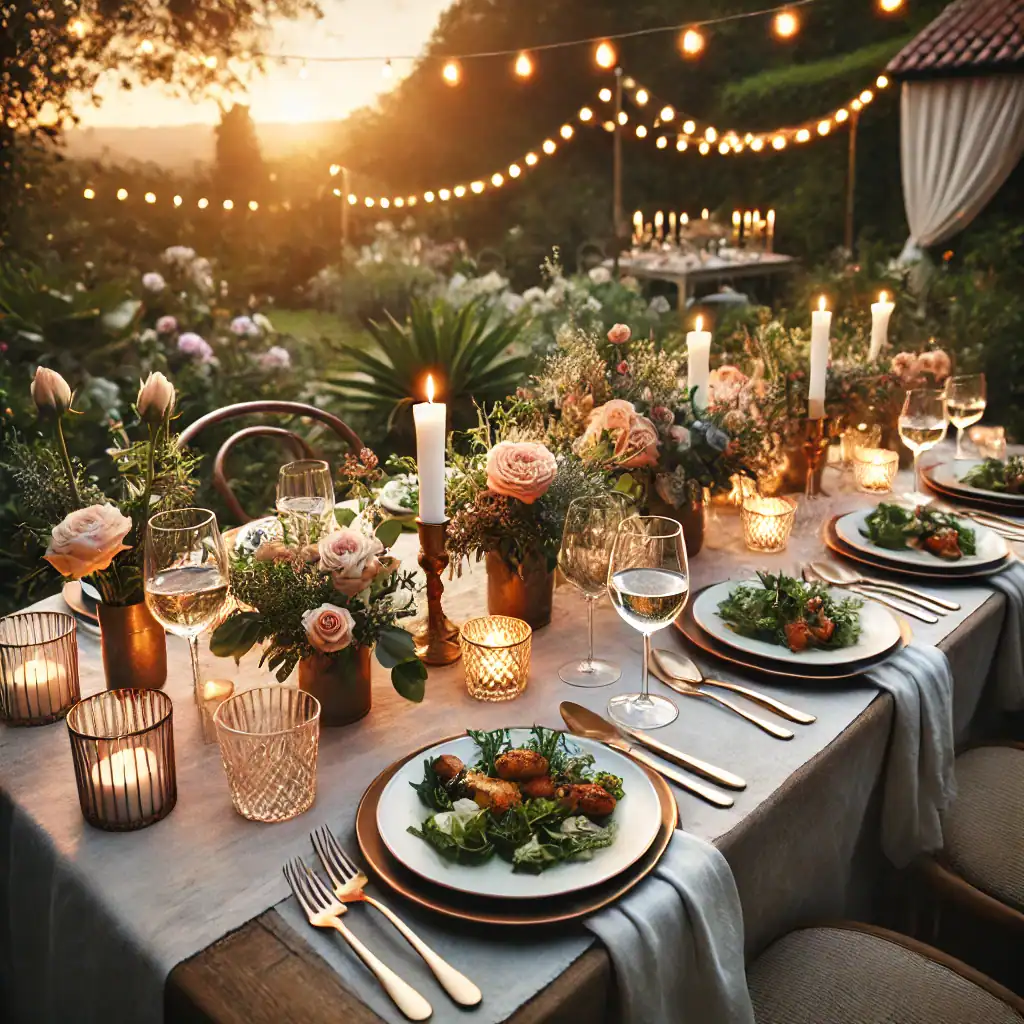
Picking Your Dinner Club Theme
Choosing a theme gives your dinner club focus and makes planning easier—and more fun. A theme doesn’t need to be complicated. It can be as simple as centering the meal around a single ingredient or food group to spark creativity in the kitchen.
For example, a blueberry-themed dinner might include a light blueberry salad, savory blueberry-glazed chicken, and a decadent blueberry dessert. With a shared starting point, guests can experiment with flavors and textures while still creating a cohesive meal.
Themed dinners add a sense of excitement and intention to your gatherings. They take the pressure off decision-making, encourage collaboration, and invite everyone to try something new.
Dinner Club Theme Ideas
A theme gives each evening its own personality. Some follow the rhythm of the seasons. Others center on one ingredient, a favorite cuisine, or a playful idea that becomes part of the activity itself.
Summertime
- Alfresco Dinner—Wood-Fired Pizza Night
- Smoke Gets in Your Eyes—Smoke-Themed Menu
- Summer Barbecue—July-Themed Menu
Food-Based Themes
- When Life Gives You Lemons
- Pineapple and Jalapeño
- Polish-Themed Menu
- A Fowl Night—Chicken Theme
- Say Cheese!
- Which Came First, the Chicken or the Egg?
Around the World
- Oktoberfest Dinner Club
- Korean Street Food
- Australian Dinner Club
- Evening in Tokyo
- Polish-Themed Menu
- Argentine Asado
Seasonal & Unique
- School Lunch Classics
- Bougie on a Budget
- Fly-In Martini Bar
- Great Gatsby Costume Dinner
- Derby Day
- Victorian Dinner
- Sinterklaas Celebration
- Friends-Themed Comfort Food Night
Dividing the Recipes
To keep your dinner club organized and enjoyable for everyone, assign dishes so that no one person is overwhelmed with all the cooking.
Typically, the host takes on the main dish, one appetizer, and the drinks. The remaining guests round out the menu with another appetizer, two side dishes, and dessert.
This structure creates a balanced meal, keeps the workload fair, and gives everyone a chance to share a favorite recipe.
One Meal at a Time
Come Join Us
In the posts that follow, I’ll document each of our dinner club evenings as we explore different themes. I’ll share the menus we planned, the recipes that worked especially well, and how we divided the dishes so everyone could contribute.
I hope these posts offer both inspiration and a simple framework for creating your own gatherings with friends—one meal, one conversation, and one gathering at a time.